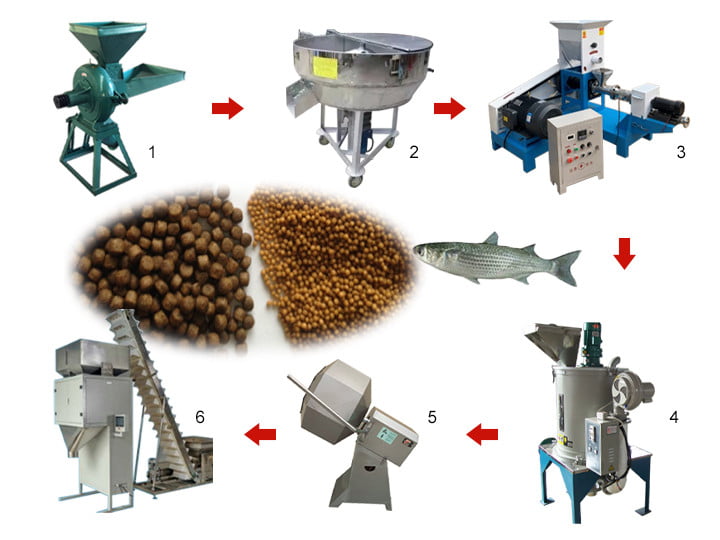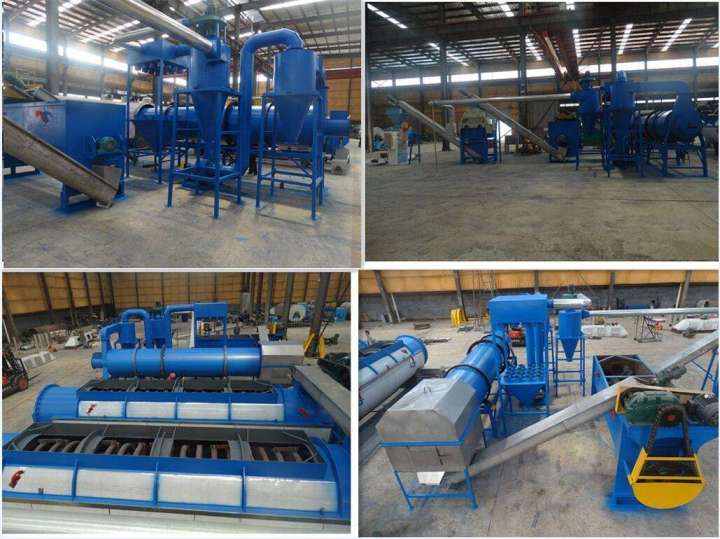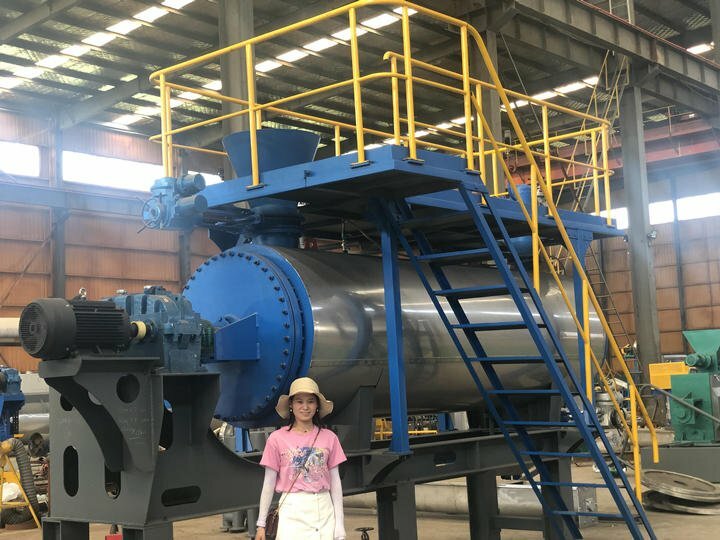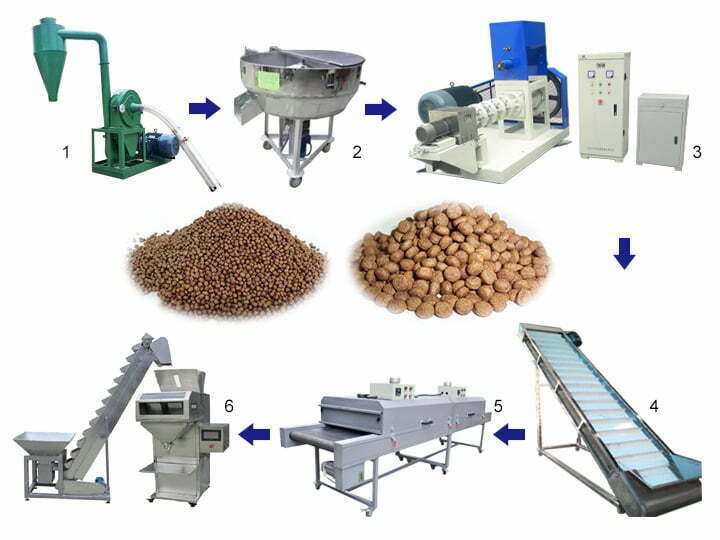
The floating fish feed pellet processing line uses corn, soybeans, wheat, and other grains as raw materials to make feed pellets. According to different animal tastes, different ingredients can be added to make fish food, also can make dog and cat food, and other pet food. We customize fish food pellet production lines with different yields for you according to your production needs. The output of this floating fish feed pellet processing line is 500-600kg/h.
Nutrients needed for fish farming
The daily intake of fish is very small, and the fish food must contain rich and comprehensive nutrients to provide sufficient nutrients for the fish. Therefore, the proportion of fish food particles should be diversified. The fish food should contain protein, Protein is an important nutrient component of fish tissues and organs. Insufficient intake of fish protein can lead to slow growth and susceptibility to disease. Fat and vitamins improve fish immunity. In addition, it should contain mineral elements in an appropriate amount.
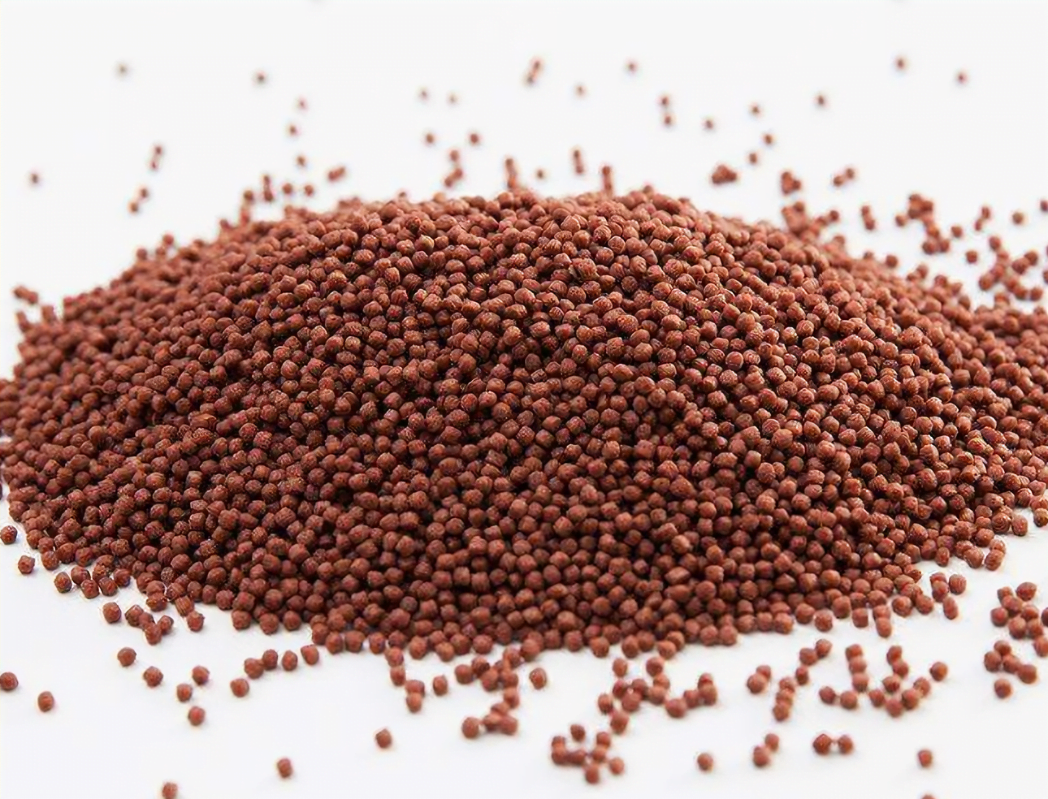
Nutrients contained in the raw materials of fish pellets
1. Wheat bran: contains fiber and prevents many fish diseases.
2. Corn: contains protein, carbohydrates, fat, vitamin A and E.
3. Cotton seeds: Contain about 54% protein. It is a good raw material for supplementing fish feed.
4. Fish meal: Fish is easy to digest. Fish meal contains about 55-60% protein.
5. Bone meal: It is necessary to make fish bones.
6. Offal: It is an ideal feed for catfish. It contains 52% protein.
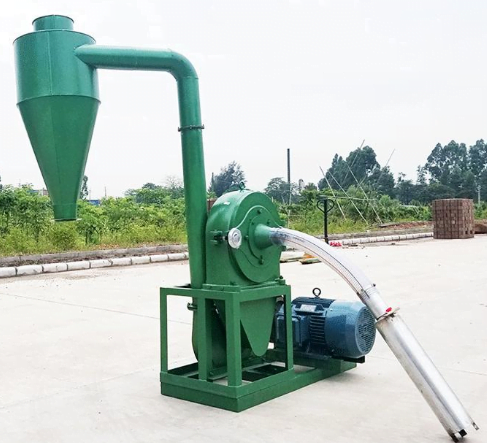
Raw material crusher of floating fish feed pellet processing
Raw material crushing is to pulverize the lumps of fish feed produced into powder. The finer the fish feed, the better it is for fish to digest and absorbs. The crushing process is the first step of the fish food production line.
| Model | Motor | Capacity |
| 350 | 7.5kw | 500-600kg/h |
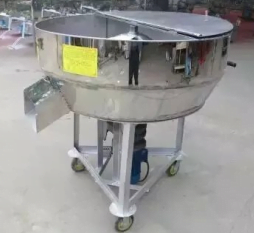
Mixer of floating fish feed pellet processing
After the raw materials are crushed, the raw materials need to be mixed in proportion and added to the various raw materials for the production of fish feed. Add and stir so that the nutrients contained in each fish food are equal. The smallest content in fish feed can be added last. This is conducive to more uniform mixing.
Model | Motor | Capacity |
| SL-350 | 4KW | 300kg/h |
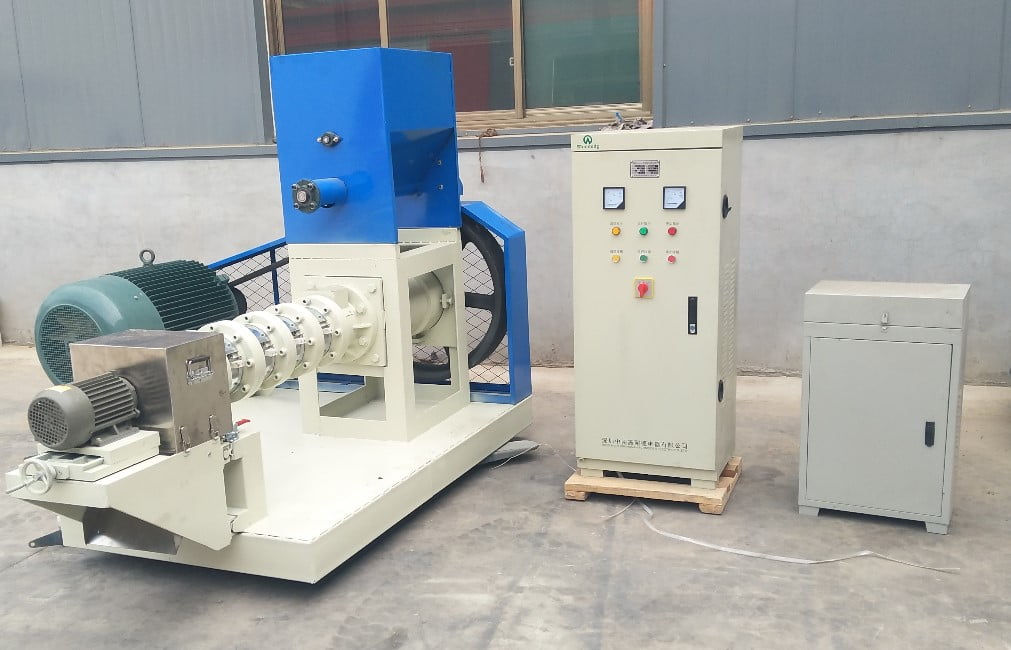
Floating fish feed pellet processing machine
After the previous raw materials are prepared, the next step is the extrusion of fish feed. After the machine is processed, the water contained in the fish food pellets will be relatively small, so that the subsequent drying process can save costs and require less time. The fish food pellet forming machine can produce fish food pellets of different sizes according to the type of fish, generally between 1.2mm and 12mm. To produce different sizes, you only need to change the size of the pellet machine mold. It can also produce feed for other pets, such as cat food and dog food.
| Model | Motor | Capacity | Size | Pellet |
| SL-90 | 30KW+1.5KW | 500-600KG/H | 1.8*2.6*1.15m | 1.2-12mm |
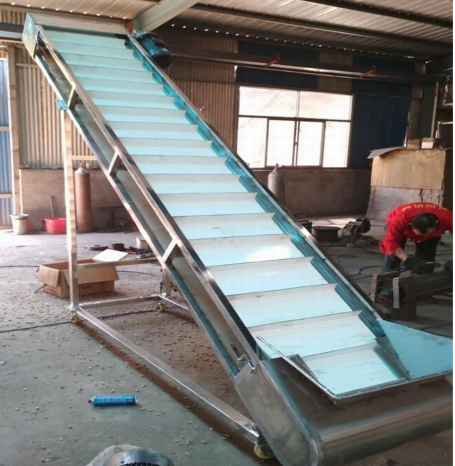
Conveyer
Used to connect to the dryer, continuous feeding can be carried out, helping to save manpower.
Model | Motor | Size |
| SL-100 | 1.5KW | 3*0.6*1m |
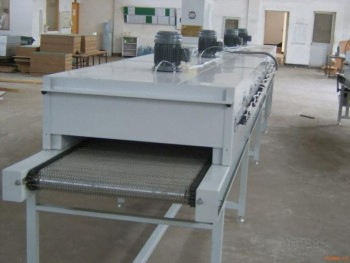
Mesh belt dryer
The mesh belt dryer can continuously dry the fish feed, which requires less labor and a high degree of automation during the drying process. The dried fish feed is not only beneficial to extend the shelf life, but also more crispy.
| Model | Motor | Capacity | Size |
| SL-100 | 7.5kw | 500-600kg/h | 4m*0.6*1m |
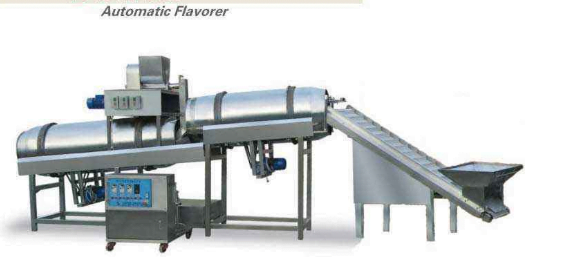
Fish food roller seasoning machine
After drying, the fish food can be directly fed into the seasoning machine for seasoning. The purpose of seasoning is to make fish food more delicious and attractive. This can be seasoned according to the type of fish raised.
| Model | Voltage | Installed capacity | Power consumption | Outputs | size |
| SL-200 | 380V | 4.6KW | 3KW | 500-600kg/h | 5.5*0.75*1.95m |
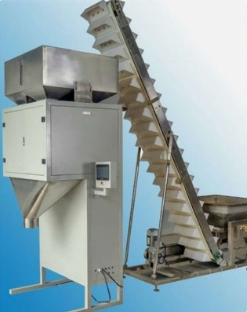
Package of floating fish feed pellet processing
After production, the fish feed can be packaged, and the tight packaging page helps to improve the shelf life of the fish food.
| Model | Motor | Capacity |
| LFS-1500 | (two)0.75-0.75 | 300-500bags/h |
Advantage of floating fish feed pellet processing
1. Fish feed pellets are popular feeds for modern commercial fish farming, providing balanced nutrition needed by fish schools and improving the environment of fish farms. Due to the high price of feed pellets on the market, many farmers tend to purchase fish feed extruders to produce pellets on their own to reduce costs.
2. Storage: Store in a cool and dry place with a cover, which can be stored for two to three months.
3. Hygiene: The expansion process can eliminate most of the bacteria. Low moisture content (approximately 10%) can prevent the growth of bacteria.
4. Nutrition: animal or vegetable protein, fish oil or other fats, multivitamins, and minerals required by specific fish can be added. It is rich in nutrients and can effectively improve the health of fish.
5. Environmental impact: The use of pellet feed of appropriate size and density can reduce the loss rate and significantly reduce the environmental pollution caused by feed residues.
6. Pellet feeds of different sizes and densities can be made to meet the needs of different growth stages and different shellfish animals. By using pellet feeds of appropriate size and density, the loss rate and environmental pollution caused by feed residues can be significantly reduced